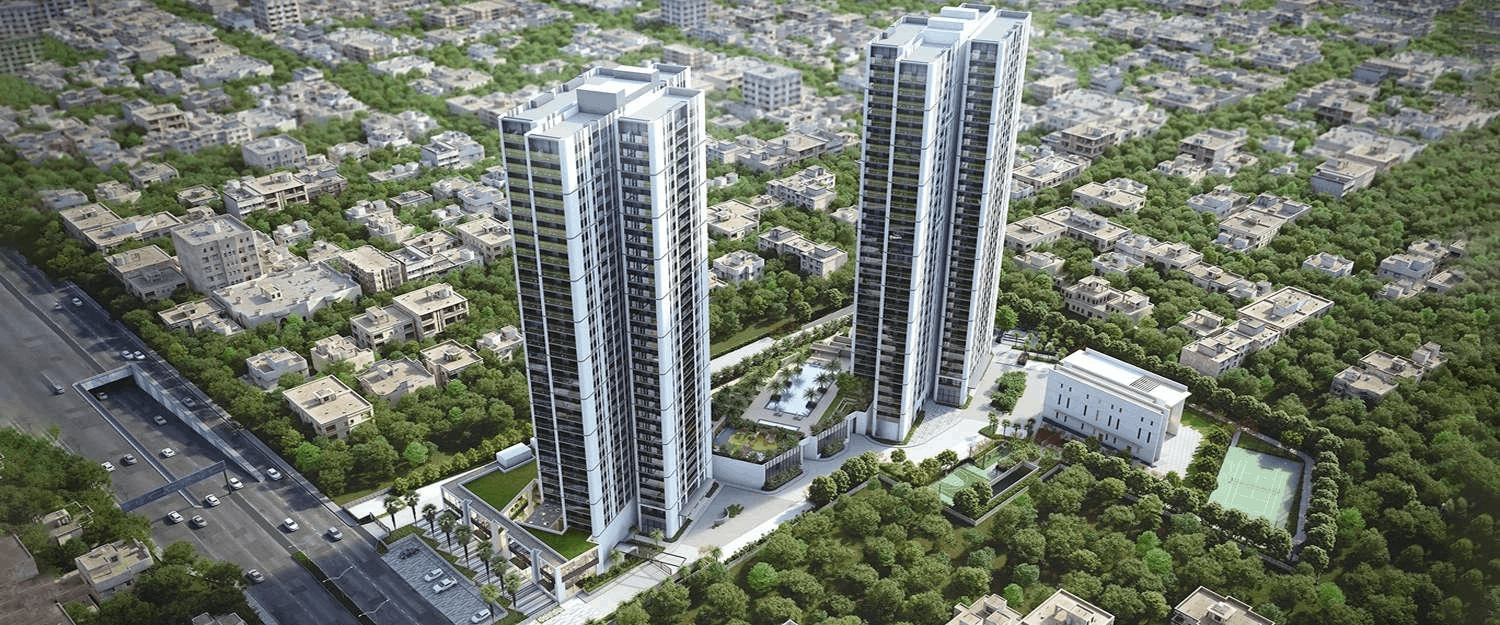
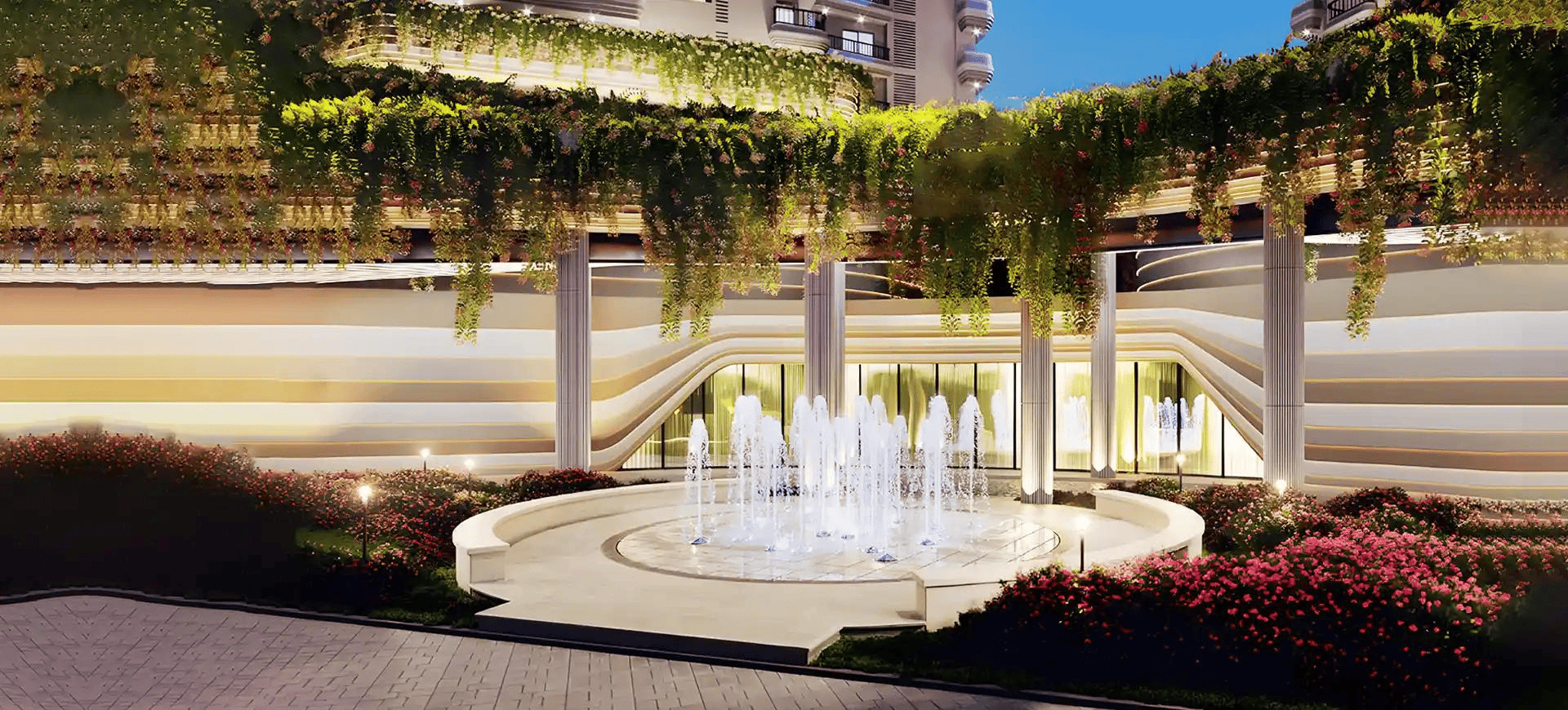

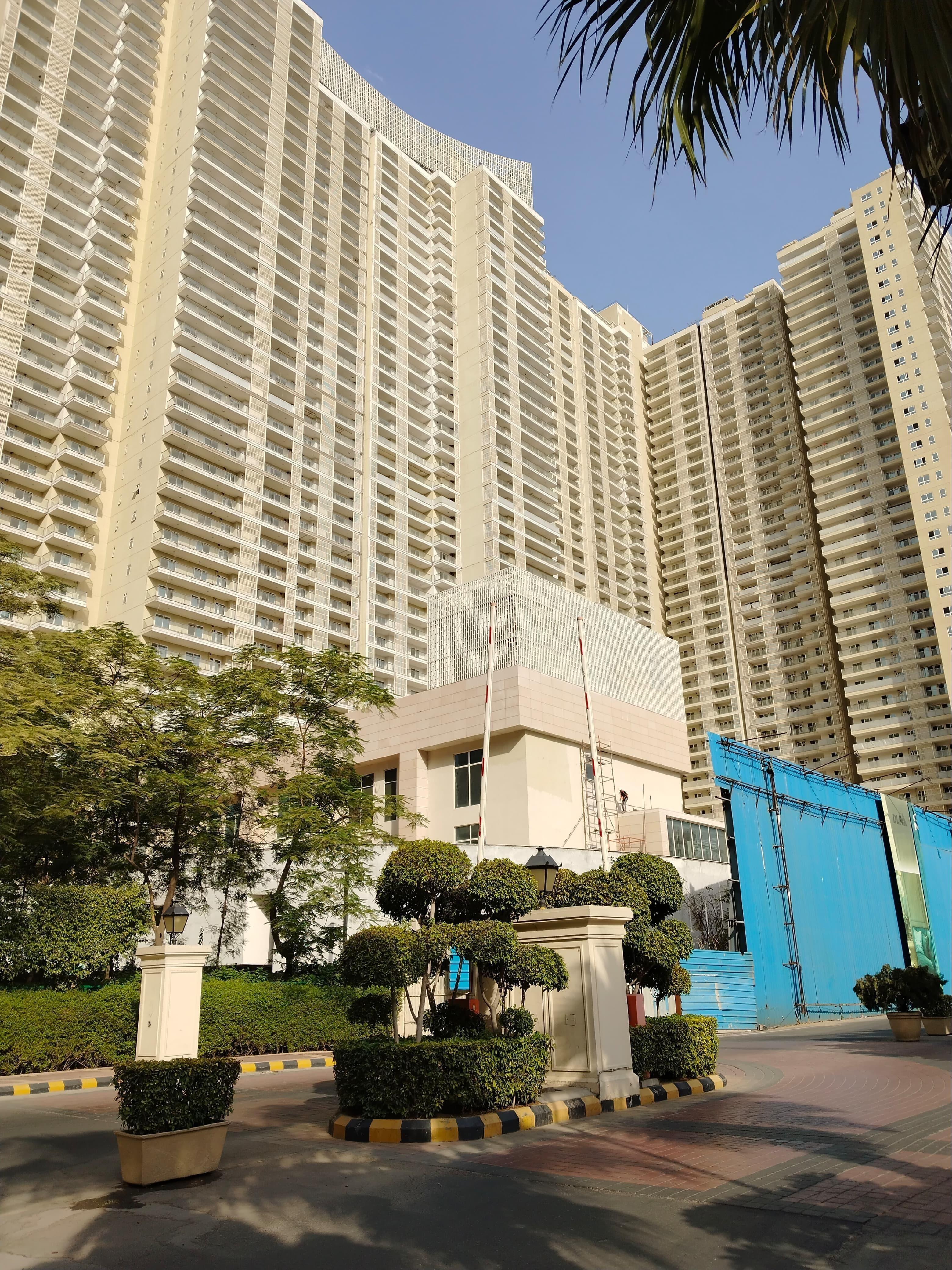




Green spaces do increase property value in India, but the gain depends on specific conditions rather than the word green on a brochure. Within a project, developers charge preferential location charges for park-facing units, and that extra cost must be recovered when you sell. Across a city, homes near large protected green areas hold demand better than homes beside open land that can still be built on. In 2026, buyers rank green and open spaces second only to security among the amenities they want in a gated society, which makes measurable greenery a real price factor.
Green Space and Property Value: What the Evidence Says
Indian research on this question is thinner than most articles suggest. A study of Greater Noida, where the master plan sets aside 10 to 15 percent of urban area for accessible green space, found a clear link between park proximity and housing prices, but noted that the exact price effect of a green view in high-rise settings is still under-measured.
Buyer surveys fill part of the gap. A 2026 survey of about 1,800 homebuyers across more than 30 Indian housing markets placed green and open spaces directly after security systems in the list of most wanted society amenities, ahead of community and lifestyle zones.
The market is also starting to score greenery instead of describing it. A green living index released in June 2026 rates projects on a green cover ratio built from RERA-declared open spaces and native landscaping, alongside health, comfort and resource efficiency. When greenery is scored this way, it becomes something a buyer can compare across projects rather than take on trust.
Why Homes Near Parks Matter More to Buyers in 2026
The shift is visible across price bands. Younger affluent buyers in 2026 increasingly describe the homes they want in terms of privacy, open space, nature and lower density, rather than simply a bigger apartment. At the top end, a February 2026 survey of luxury homebuyers found that 84 percent prefer homes with private balconies, suggesting outdoor space and a view of green have moved from extras to expectations.
This matters for resale. A home that offers shade, a usable park, and a protected green outlook answers what the next buyer will ask for, not only what the first buyer wanted. Homes that rely on a temporary view or a thin strip of landscaping will compete on price alone once newer projects with larger open areas reach the market.
Park Facing Apartment Premium and What You Pay at Booking
Within a single project, the value of a green view shows up as a preferential location charge, or PLC. It is quoted per sq.ft. of saleable area, and the park-facing PLC is usually the highest in the cost sheet, above corner and road-facing units.
A flat can carry more than one PLC. A corner unit that also faces the central park pays both charges, and each one is added to the base price before GST. That stacking is where buyers most often overpay.
Height changes the value of the view. From the lower and middle floors, you look into the tree canopy; from the top floors, the park becomes a small patch far below, which is why experienced consultants advise against paying extra for a park view from a flat 20 floors up. Park-facing homes do tend to resell and rent faster, but only when the view is something residents actually see from their living room.
Green Cover and House Prices in Gurgaon in 2026
Gurgaon shows why protection matters more than proximity. Over the past decade, the city lost 15 hectares of its already limited natural forest to urban growth, according to satellite data released in June 2026. A green patch beside a project today is no guarantee of a green view tomorrow.
Courts are now part of the equation. In May 2026, the Punjab and Haryana High Court closed a public interest case over a stretch of thick green cover in Sector 53 after the state assured that the site would be preserved as is, and told the court that a new law to preserve trees in development works is being prepared.
For a buyer, the lesson is simple. Greenery protected by law, a court order, or a public land use plan supports long-term value. Greenery that is only vacant private land supports a sales pitch.
Tree Cover and Heat: The Real Value of Shade
The strongest everyday case for green space in North Indian cities is heat, not looks. A 2026 study of Delhi neighbourhoods found that adding 8 percent more green cover can cool an area by about 1°C, with the biggest gains where tree cover is already higher.
Not all greenery cools. A study of 138 Indian cities published in 2026 found that vegetation lowers the felt heat index only once canopy density crosses a threshold, and that greening works best when it is planned for shade, moisture and airflow together. A separate global study of 761 cities found that in roughly a quarter of them, mostly dry cities with under 1,000 mm of rain, vegetation actually warmed surfaces.
That changes what a buyer should value. Mature shade trees, tree-lined internal roads and water-wise native planting earn their keep. Wide open lawns that need constant irrigation in a water-stressed city look good in photographs but deliver less comfort and cost more to maintain.
When Green Space Does Not Add Value
Green space can also work against a purchase. Large landscaped areas raise monthly maintenance costs because gardeners, irrigation, and water features are fixed costs shared by every owner. A green view across a boundary wall can vanish if the neighbouring land gets a building plan. And a park that is locked, unlit, or unmaintained adds nothing to daily life, whatever it adds to the brochure.
Buyers should treat green space the way they treat parking or power backup: as a feature with a cost, a lifespan and a legal status, not as a mood.
How to Check Green Space Before You Buy
Start with the RERA registration, where the developer declares the project's open area, and compare it with the layout in the brochure. Then check who owns the green space you are paying for: a municipal park or protected forest is far more durable than a private lawn or an empty neighbouring plot. Look at the land use of every plot that borders your tower on the master plan. Walk the site and note whether the planting is shade trees or ornamental grass. Finally, ask for the cost sheet line by line, so you can see exactly how much of your price is a park or green view PLC and decide whether the floor you are buying justifies it.
Frequently Asked Questions
What is a green view premium in real estate?
A green view premium is the extra price a buyer pays for a home that looks onto a park, forest or landscaped area. Inside a project, it appears as a preferential location charge on the cost sheet. Across a city, it shows up as stronger demand and faster resale for homes beside protected green areas compared with similar homes elsewhere.
Is a park-facing flat a good investment?
A park-facing flat is a sound investment when the park is protected, well maintained, and visible from your living spaces. It is weaker on very high floors, where the view shrinks, or when the green area is private land that could be developed. You should compare the extra charge paid at booking with likely resale demand.
Does an empty plot next to my society count as green space?
No. An empty plot is only green until its owner gets a building plan approved. You should check its land use on the city master plan before paying for the view. Only land marked as a park, green belt or protected forest can be expected to stay open over the years you plan to own the home.
Are green spaces and green buildings the same thing?
No. Green space is the open, planted land around and between buildings, such as parks, lawns and tree-lined roads. A green building is a structure designed to use less energy and water, usually proven by a rating. You can have one without the other, so check both separately when you compare housing projects.
Which floor gets the most value from a park view?
Lower and middle floors usually get the most from a park view, because residents look into the tree canopy and feel close to the green. On the highest floors, the park becomes a distant patch. Before paying a park-facing charge, stand at your floor height on a site visit and judge the view yourself.
What does a green living index measure for a housing project?
A green living index scores how well a housing project supports healthy, low-impact living. The 2026 framework used in India rates projects on health and comfort, resource efficiency, safety and resilience, and connectivity. You can use such scores to compare projects on facts such as declared open space instead of brochure claims.